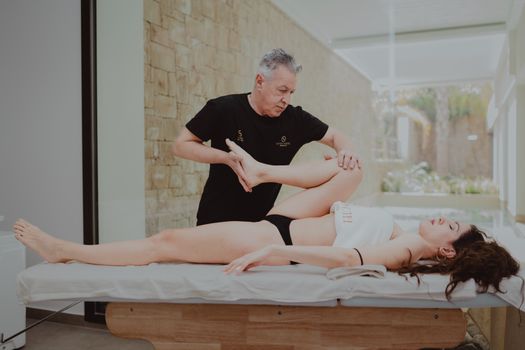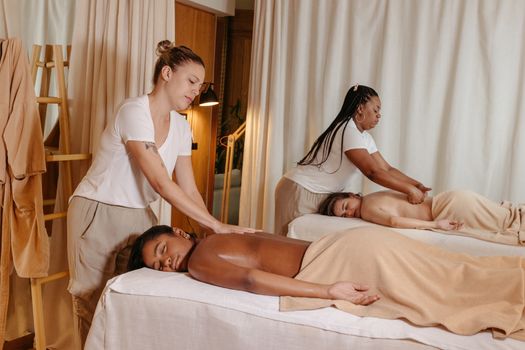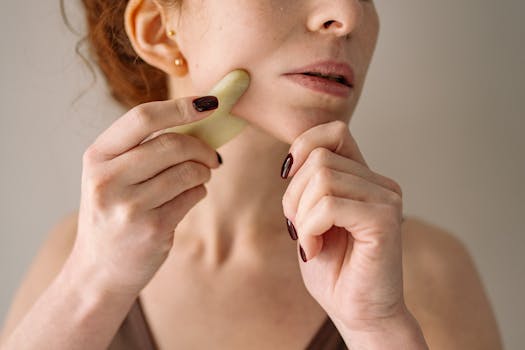
Getting a good night’s sleep is essential to your overall health, yet millions struggle to fall asleep, stay asleep, or experience restful slumber. In our fast-paced world, insomnia and sleep disturbances have become increasingly common. If you’re searching for natural, effective ways to boost your nightly rest, massage therapy offers an intriguing and science-backed solution. But how exactly do massages impact sleep? What mechanisms are at play, and which types of massage are best for improving sleep quality? Let’s explore the remarkable relationship between massages and sleep, and discover actionable strategies to help you drift into restorative slumber.
The Science Behind Massages and Sleep Improvement
For centuries, various cultures have used massage as a healing art to promote relaxation and well-being. In recent decades, scientific research has begun to uncover the biological mechanisms that make massage such a powerful tool for sleep enhancement.
When you receive a massage, your body responds in several key ways relevant to sleep:
.png) - $1: Stress hormones like cortisol remain elevated in people with chronic insomnia. Massage therapy has been shown to lower cortisol by up to 31%, according to a 2005 study published in the International Journal of Neuroscience.
- $1: These “feel-good” neurotransmitters help regulate mood and the sleep-wake cycle. Research from the University of Miami’s Touch Research Institute found that a 30-minute massage increases serotonin by 28% and dopamine by 31%.
- $1: Massage triggers the body’s relaxation response, slowing heart rate and encouraging deep, restorative sleep.
- $1: Stress hormones like cortisol remain elevated in people with chronic insomnia. Massage therapy has been shown to lower cortisol by up to 31%, according to a 2005 study published in the International Journal of Neuroscience.
- $1: These “feel-good” neurotransmitters help regulate mood and the sleep-wake cycle. Research from the University of Miami’s Touch Research Institute found that a 30-minute massage increases serotonin by 28% and dopamine by 31%.
- $1: Massage triggers the body’s relaxation response, slowing heart rate and encouraging deep, restorative sleep.
The American Sleep Association estimates that nearly 70 million Americans suffer from sleep disorders. Integrating massage therapy into your wellness routine could make a significant difference for many.
Comparing Massage Therapy with Other Sleep Aids
With so many products and techniques marketed as sleep aids—ranging from prescription pills to herbal teas—it’s important to understand how massage therapy stacks up. Here’s a comparison of common sleep aids, analyzing their effectiveness, potential side effects, and accessibility.
| Sleep Aid | Effectiveness | Side Effects | Accessibility |
|---|---|---|---|
| Massage Therapy | High (improves sleep onset, duration, and quality) | Minimal (relaxation, rare soreness) | Moderate (requires therapist or self-massage tools) |
| Prescription Sleep Medications | High (fast-acting, short-term) | Potential dependency, grogginess, rebound insomnia | High (with doctor’s prescription) |
| Melatonin Supplements | Moderate (especially for jet lag or shift work) | Headaches, dizziness, hormonal changes | High (over-the-counter) |
| Herbal Remedies (e.g., valerian, chamomile) | Variable (mild to moderate) | Digestive upset, allergic reactions | High (widely available) |
| Cognitive Behavioral Therapy for Insomnia (CBT-I) | High (long-term effectiveness) | Minimal (may require effort and sessions) | Moderate (requires trained therapist) |
Massage therapy stands out for its holistic benefits, minimal side effects, and positive impact on multiple aspects of well-being—not just sleep.
Types of Massage Most Effective for Sleep Enhancement
Not all massages are created equal when it comes to improving sleep. Certain techniques are particularly effective for calming the mind, reducing muscular tension, and encouraging deep relaxation.
- $1: This gentle, flowing style uses long strokes, kneading, and circular movements. It’s well-known for reducing anxiety and promoting calm—ideal for preparing the body for sleep. - $1: By incorporating essential oils like lavender, chamomile, or sandalwood, this technique amplifies relaxation and can further enhance sleep onset and quality. In a 2015 clinical trial, adults who received aromatherapy massage reported 60% fewer sleep interruptions. - $1: Focusing on pressure points in the feet, hands, or ears, reflexology is believed to balance the nervous system and improve sleep, according to a 2019 Chinese study that found reflexology improved sleep quality in 68% of participants. - $1: A Japanese form of massage that uses finger pressure along energy meridians. Shiatsu has been clinically shown to reduce symptoms of insomnia and help synchronize the body’s natural rhythms.Even simple self-massage routines, such as gently massaging the neck, shoulders, or feet before bed, can encourage relaxation and signal to your body that it’s time to wind down.
How Massages Influence the Sleep Cycle
To understand how massage therapy improves sleep, it’s helpful to consider the architecture of the sleep cycle. A typical night involves several cycles of non-REM (light and deep sleep) and REM (dreaming) sleep, each with unique restorative functions.
Massage impacts the sleep cycle in several meaningful ways:
- $1: By lowering anxiety and muscle tension, massage reduces the time it takes to drift off. A 2012 study in the Journal of Alternative and Complementary Medicine found that insomniacs fell asleep 15 minutes faster after massage therapy. - $1: Deep sleep is when the body repairs tissues, builds bone and muscle, and strengthens the immune system. Research shows that massage increases time spent in this most restorative stage. - $1: By activating the parasympathetic nervous system, massage helps keep the body in a restful state, making nighttime awakenings less frequent and shorter in duration.For those with conditions that disrupt sleep—such as chronic pain, restless leg syndrome, or anxiety—massage can address underlying contributors to poor rest.
Integrating Massage into Your Sleep Routine: Practical Strategies
The benefits of massage for sleep are clear, but how can you make the most of this practice in your daily life? Here are some practical strategies:
- $1: If possible, book your massage session in the evening, ideally 1-2 hours before bedtime. This timing amplifies the relaxation response and aligns with your natural wind-down. - $1: Use your hands, a foam roller, or massage balls to gently work out tension in the neck, shoulders, lower back, or feet. Spend 5-10 minutes before bed focusing on slow, mindful movements. - $1: Add a few drops of lavender or chamomile essential oil to a carrier oil for a soothing aromatherapy self-massage. - $1: Enhance the effect by dimming the lights, playing soft music, and practicing deep breathing or meditation during or after your massage. - $1: For lasting sleep improvement, integrate massage into your routine 2-3 times a week, whether through professional sessions or self-care.A 2021 survey by the American Massage Therapy Association found that among those who received regular massage, 54% reported better sleep quality and fewer nights of disturbed sleep.
Special Considerations: Who Benefits Most from Massage for Sleep?
While almost anyone can enjoy better sleep from massage, certain groups find it especially beneficial:
- $1: Age-related changes in sleep patterns often lead to lighter, more fragmented sleep. Studies show that regular massage significantly improves sleep quality and duration in seniors. - $1: Pain is a leading cause of sleep disruption. Massage can reduce pain intensity, making it easier to fall and stay asleep. - $1: Since massage boosts serotonin and reduces stress hormones, it’s an excellent adjunct for those with mood disorders that impact sleep.Safety is generally excellent, but people with certain medical conditions—like deep vein thrombosis, bleeding disorders, or severe osteoporosis—should consult a doctor before starting massage therapy.
Final Thoughts on Massages and Better Nightly Rest
In a world where sleep is often elusive, massage therapy stands out as a natural, enjoyable, and science-backed way to improve the quality of nightly rest. By reducing stress, easing muscular tension, and positively influencing brain chemistry, massage can help you fall asleep faster, stay asleep longer, and wake up feeling more refreshed. Whether you opt for professional sessions, try self-massage, or combine massage with other bedtime rituals, integrating this ancient practice into your routine could be the missing key to better sleep. Sweet dreams await—one massage at a time.