The Art of Blending: How Massage and Aromatherapy Together Transform Well-being
Massage therapy and aromatherapy have long histories as powerful tools for enhancing physical and emotional health. Individually, they offer a range of benefits: massage eases muscle tension, improves circulation, and aids relaxation, while aromatherapy harnesses the natural properties of essential oils to uplift mood, reduce stress, and support healing. But when these two practices are combined, their effects can be amplified, creating a deeply holistic experience that nurtures the body, mind, and spirit in harmony.
In this article, we’ll explore the unique advantages of integrating massage with aromatherapy, delve into the science behind their synergy, examine practical ways to combine them, and offer guidance for choosing the right essential oils for your personal needs. Whether you’re a wellness enthusiast, a newcomer, or considering a specialized spa treatment, understanding this powerful blend can help you unlock new levels of well-being.
The Synergy of Massage and Aromatherapy: Why Combination Matters
While both massage and aromatherapy provide standalone benefits, research and clinical practice increasingly show that combining them can lead to enhanced outcomes. According to a 2017 review published in the journal Evidence-Based Complementary and Alternative Medicine, patients who received aromatherapy massage reported greater reductions in anxiety and pain compared to those who received massage or aromatherapy alone.
.png)
This synergistic effect is rooted in how the two therapies work:
- Massage stimulates the body’s circulation, lymphatic system, and endorphin release, helping to relieve muscle tension and stress. - Aromatherapy uses concentrated plant extracts—essential oils—that are absorbed through the skin and inhaled, influencing both physical and emotional states via the olfactory and nervous systems.When used together, massage helps essential oils penetrate the skin and enhances their absorption, while the scents act on the brain to modulate mood and perception of pain. This creates a multi-layered therapeutic experience, addressing well-being on more than just a physical level.
The Science Behind Enhanced Well-being
To understand why the combination is so effective, it helps to look at some of the science behind each approach and their interaction.
1. $1: Massage increases local circulation by as much as 50%, according to a 2010 study in the Archives of Physical Medicine and Rehabilitation. This increased blood flow means that when essential oils are applied during massage, they are delivered more efficiently to tissues. 2. $1: Aromatherapy influences the limbic system—the part of the brain involved in emotions and memory. For example, lavender oil has been shown in clinical trials to reduce cortisol levels (the stress hormone) and promote relaxation. When this calming effect is paired with the tactile comfort of massage, the result can be a significant decrease in both subjective and measurable stress. 3. $1: A 2016 meta-analysis in Pain Research and Treatment found that aromatherapy massage provided greater pain relief for chronic conditions (like arthritis or fibromyalgia) than massage alone. The combination appears to interrupt pain pathways at both the sensory and emotional levels.Popular Essential Oils for Massage: Benefits and Uses
Choosing the right essential oil is crucial to maximizing the benefits of aromatherapy massage. Each oil has its own unique properties and best uses. Here’s a comparison of some popular options:
| Essential Oil | Main Benefits | Best For | Notable Facts |
|---|---|---|---|
| Lavender | Calming, anti-inflammatory, pain relief | Stress, insomnia, muscle aches | Shown to lower anxiety by 45% in clinical studies |
| Eucalyptus | Invigorating, decongestant, muscle relaxant | Respiratory issues, fatigue, sore muscles | Contains cineole, proven to reduce inflammation |
| Peppermint | Cooling, energizing, headache relief | Headaches, muscle tension, mental fog | Menthol component aids circulation |
| Rosemary | Stimulating, improves circulation, eases pain | Joint pain, fatigue, poor circulation | Boosts alertness by up to 75% (study in Int. J. Neurosci.) |
| Chamomile | Soothing, anti-inflammatory, relaxant | Anxiety, sensitive skin, digestive discomfort | Reduces skin inflammation by 60% in topical use |
| Ylang Ylang | Uplifting, lowers blood pressure, aphrodisiac | Mood swings, tension, low libido | Shown to lower systolic BP by 5 mmHg (Korean study) |
It’s important to note that essential oils must always be diluted with a carrier oil (such as jojoba, sweet almond, or grapeseed oil) before being applied to the skin, as they are highly concentrated.
Techniques for Combining Massage and Aromatherapy
Integrating aromatherapy into massage is both an art and a science. Here are the most common and effective methods:
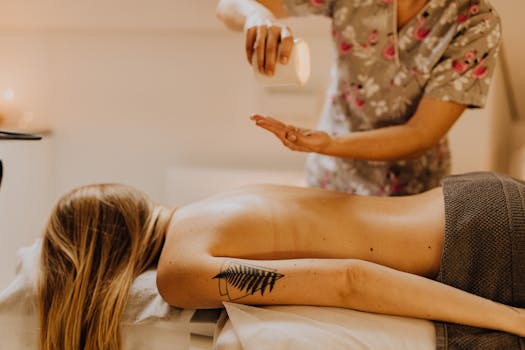
1. $1: The most popular method is adding a few drops of essential oil to a carrier oil and using this blend for the massage. For example, 3-5 drops of lavender oil in 30 ml of carrier oil is a standard dilution. 2. $1: Inhaling essential oils during massage can enhance the emotional and mental benefits. A diffuser or a bowl of hot water with a few drops of essential oil can be placed nearby to disperse the aroma throughout the room. 3. $1: For targeted relief (such as a sore shoulder), a towel soaked in warm water with diluted essential oil can be laid on the area before or after massage. 4. $1: Professional therapists may create personalized blends to address specific concerns—such as combining eucalyptus (for respiratory benefits) with peppermint (for muscle relief) during a deep tissue massage. 5. $1: Many spas offer assessments to determine which oils are best suited to the client’s needs, taking into account allergies, sensitivities, and desired outcomes.Safety tip: Not all essential oils are suitable for everyone. Pregnant women, children, and people with certain medical conditions should consult a health professional before using aromatherapy.
Real-world Applications: Who Benefits Most?
Combining massage and aromatherapy isn’t just a luxury—it’s increasingly recognized as a therapeutic intervention for a range of health and wellness goals. Here are a few examples:
- $1: In a 2014 study involving 82 nurses, those who received weekly aromatherapy massages reported a 38% greater reduction in work-related stress compared to those who received regular massages. - $1: Aromatherapy massage with lavender oil improved sleep quality by 60% among elderly patients in a 2015 clinical trial. - $1: Patients with osteoarthritis who received aromatherapy massage twice weekly for 4 weeks reported a 50% reduction in pain intensity, compared to a 20% reduction with massage alone. - $1: A 2018 survey of spa-goers found that 72% felt more emotionally balanced after an aromatherapy massage, citing feelings of “upliftment,” “calm,” and “rejuvenation.”Additionally, people with sensory processing challenges, such as individuals on the autism spectrum, may find the multisensory approach of aromatherapy massage particularly soothing.
How to Incorporate Aromatherapy Massage into Your Wellness Routine
You don’t need to visit a high-end spa to enjoy the benefits of this powerful combination. Here are a few ways to bring aromatherapy massage into everyday life:
- $1: Purchase a high-quality carrier oil and a few essential oils tailored to your needs. Learn simple self-massage techniques—such as for the hands, feet, or neck—and apply your chosen blend. - $1: Share the benefits with a partner by exchanging aromatherapy massages. This can foster intimacy and relaxation. - $1: When booking a massage, ask if your therapist offers aromatherapy as an add-on or as part of the treatment. Many spas and clinics now provide a menu of essential oil blends targeting specific concerns. - $1: For ongoing benefits, aim for weekly or biweekly sessions. Consistency is key; studies show that regular aromatherapy massage is more effective in managing chronic stress and pain than sporadic treatments.For those with sensitivities, always do a patch test before full application, and start with gentler oils (like chamomile or lavender).
Integrating Massage and Aromatherapy: Holistic Well-being in Action
The fusion of massage and aromatherapy offers a unique pathway to holistic well-being, addressing physical discomfort, emotional imbalance, and mental fatigue in one harmonious experience. Scientific studies confirm what traditional healing systems have long known: combining touch and scent can create profound shifts in health and happiness.
Whether you’re seeking deeper relaxation, pain relief, improved sleep, or simply a way to reconnect with yourself, this integrative approach is accessible and adaptable. By choosing the right oils, employing safe techniques, and making aromatherapy massage a regular part of your routine, you can enhance your overall quality of life—one session at a time.