The Role of Massage in Mental Wellness: Science, Strategies, and Real-Life Impact
From ancient healing practices to modern-day spa therapies, massage has long been celebrated for its ability to soothe sore muscles and ease physical pain. But in recent years, scientific research and real-world experience have revealed another compelling dimension to massage therapy: its profound impact on mental wellness. As stress levels rise and mental health becomes a global concern—affecting an estimated 1 in 8 people worldwide, according to the World Health Organization—the search for natural, supportive therapies has never been more urgent. Massage therapy, with its unique blend of physical touch and mindful relaxation, is emerging as a powerful ally in the quest for emotional balance, resilience, and overall mental well-being.
The Science Behind Massage and Mental Wellness
To understand the role of massage in mental wellness, it's crucial to look at the underlying physiological mechanisms. Massage therapy doesn’t just feel good; it triggers complex processes in the body and brain that directly influence mood and stress responses.
One primary effect is the modulation of the nervous system. Massage activates the parasympathetic nervous system—responsible for "rest and digest" functions—while decreasing activity in the sympathetic nervous system, which governs our "fight or flight" response. This shift helps lower heart rate, blood pressure, and levels of the stress hormone cortisol. In a 2018 meta-analysis published in the journal $1, researchers found that massage therapy reduced cortisol levels by an average of 31%, highlighting its stress-busting power.
.png)
Additionally, massage increases the production of feel-good neurochemicals like serotonin and dopamine. A study by Field et al. (2005) reported up to a 28% increase in serotonin levels following regular massage therapy. These neurotransmitters play a vital role in regulating mood, sleep, and anxiety, underscoring why people often feel calm and balanced after a session.
Massage as a Complementary Approach to Mental Health Conditions
While massage should not replace traditional mental health treatments, it is gaining traction as a valuable complementary approach for a range of mental health conditions. Research supports its use in alleviating symptoms of anxiety, depression, and even post-traumatic stress disorder (PTSD).
For example, a 2020 review in the journal $1 found that individuals with generalized anxiety disorder experienced a significant reduction in symptoms after just six weeks of regular massage therapy. Similarly, people with depression have reported improved mood and increased energy levels following massage, with benefits comparable to those of light exercise or mindfulness meditation.
Massage is also being integrated into trauma-informed care. For individuals with PTSD, massage can help reestablish a sense of safety and connection with the body—a crucial step in healing from trauma. A study published in $1 in 2014 found that veterans with PTSD experienced a 30% reduction in symptoms after a 12-week massage program, compared to only 5% in the control group.
How Different Massage Techniques Impact Mental Wellness
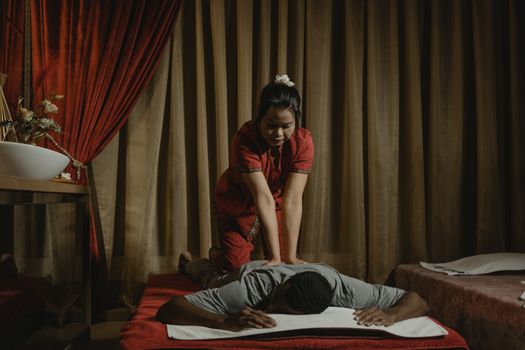
Not all massage modalities are created equal when it comes to mental wellness. The choice of technique can influence the psychological benefits experienced. Here’s a comparison of popular massage types and their primary mental wellness effects:
| Massage Type | Main Technique | Primary Mental Wellness Benefit | Best For |
|---|---|---|---|
| Swedish Massage | Gentle, flowing strokes | Deep relaxation, reduced anxiety | Stress relief, first-timers |
| Deep Tissue Massage | Firm pressure, muscle targeting | Release of tension, improved mood | Chronic stress, muscle pain |
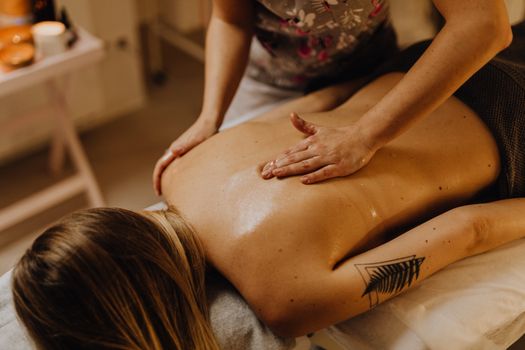
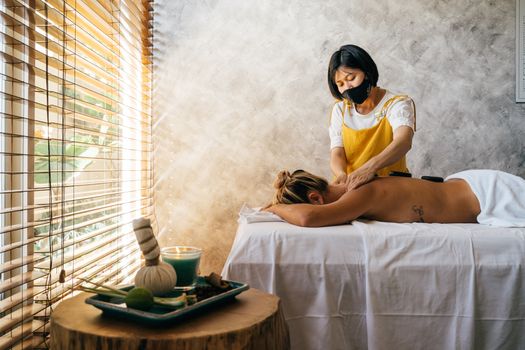
| Aromatherapy Massage | Essential oils + Swedish technique | Emotional balance, uplifted mood | Anxiety, mild depression |
| Shiatsu | Finger pressure on energy points | Restored balance, mental clarity | Fatigue, mental fog |
| Reflexology | Pressure on feet/hands | Calming, improved sleep | Insomnia, stress |
These variations allow massage to be tailored to individual needs, maximizing benefits for specific mental health challenges.
Real-Life Impact: Massage in Everyday Mental Wellness Routines
The integration of massage into daily or weekly routines is transforming the way people manage their mental health. According to the American Massage Therapy Association, 25% of Americans who received a massage in 2022 reported doing so primarily for stress reduction and relaxation, rather than for pain management.
The benefits are not limited to professional sessions. Self-massage techniques, such as gentle scalp or hand massages, can be practiced at home to relieve tension and calm the mind. Companies and organizations are also recognizing the mental health advantages of onsite chair massages, with some reporting a 30% decrease in employee stress and absenteeism following the introduction of regular massage breaks.
Massage is especially valuable during high-stress life events. For example, research published in $1 found that cancer patients who received weekly massages reported 42% less anxiety and a 28% improvement in overall mood compared to those who did not receive massage therapy.
Massage and Mindfulness: A Powerful Synergy
One of the unique advantages of massage therapy is its ability to foster mindfulness—a state of present-moment awareness that is strongly linked to mental wellness. During a massage, individuals are encouraged to focus on physical sensations, breath, and the immediate experience, which can interrupt cycles of rumination and worry.
A 2017 study from the University of Miami found that participants who combined massage with mindfulness training reported a 40% greater reduction in perceived stress compared to those who only practiced mindfulness or received massage alone. This synergy not only relaxes the body but also retrains the mind to respond to stress with greater resilience.
Considerations and Accessibility: Making Massage Part of Your Mental Wellness Plan
Despite its many benefits, there are practical considerations when integrating massage into a mental wellness plan. Cost, time, and accessibility can be barriers for some. However, options are expanding. Many health insurance plans in the U.S. now cover massage therapy for certain diagnoses, and community health programs are making massage more affordable for underserved populations.
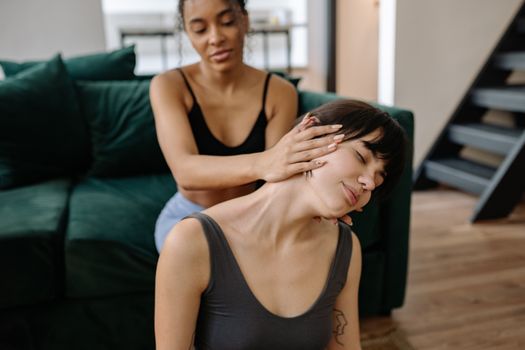
Self-massage, guided by online tutorials or mobile apps, offers an accessible alternative. Even brief sessions—such as a five-minute neck massage—can deliver measurable reductions in stress and anxiety. According to a 2021 survey by the Global Wellness Institute, 62% of people who practiced self-massage at least twice a week reported feeling “significantly calmer” and “more emotionally balanced.”
For those with specific mental health conditions or trauma histories, it’s important to seek massage therapists trained in trauma-informed care or integrative mental health approaches. This ensures that the experience is supportive, respectful, and tailored to individual needs.
Final Thoughts on Massage’s Role in Mental Wellness
Massage therapy is more than a luxury; it is a scientifically supported tool for enhancing mental wellness and emotional resilience. By lowering stress hormones, boosting mood-regulating neurotransmitters, and fostering mindfulness, massage addresses some of the underlying factors that contribute to anxiety, depression, and daily stress. Whether received in a professional setting or practiced at home, massage offers a tangible, accessible way to support mental health and well-being in our fast-paced world.
As research continues to unveil the intricate connection between body and mind, massage stands out as a holistic, evidence-based approach for nurturing both. For individuals seeking to add natural, supportive practices to their mental wellness toolkit, massage therapy represents an inviting and effective option.