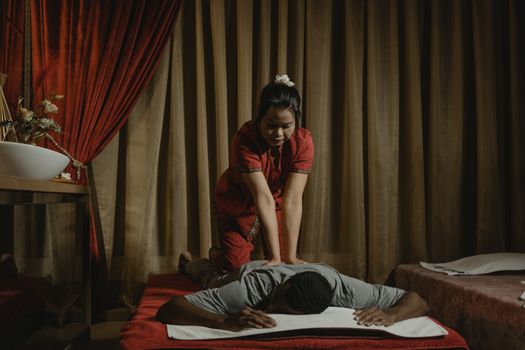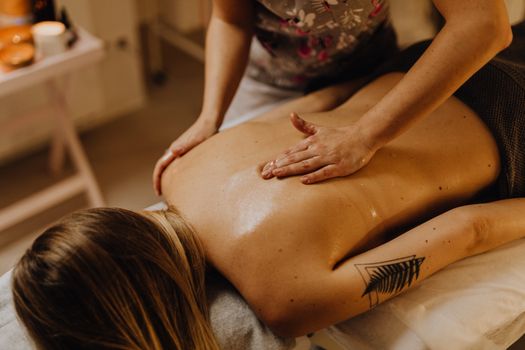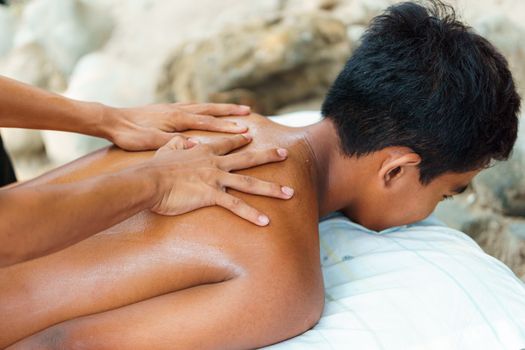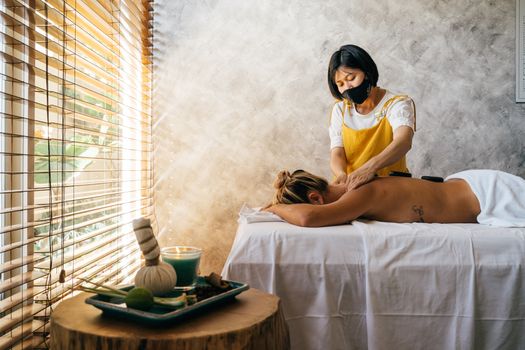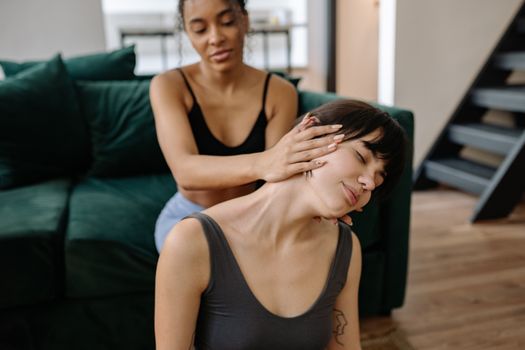
If you’re seeking a simple yet transformative way to unwind after a long day, look no further than home massage. The art of massage isn’t reserved for luxury spas or professional therapists—anyone can learn the basics and reap the rewards from the comfort of home. Whether you want to ease muscle tension, connect with a loved one, or simply enhance your overall well-being, home massage offers a practical, affordable solution. In this comprehensive guide, you’ll discover essential techniques, preparation tips, safety precautions, and the best tools to maximize your at-home massage experience.
The Science Behind Home Massage: Why It Works
Massage therapy is more than just a feel-good indulgence. Decades of research have shown its profound impact on both physical and mental health. For instance, a 2020 study in the Journal of Clinical Medicine found that regular massage can reduce anxiety by up to 50% and decrease muscle soreness by 30% after physical activity. But why does massage work so well, even when performed at home?
At its core, massage stimulates the parasympathetic nervous system, which helps the body relax and repair. It increases blood flow, supports the lymphatic system in flushing out toxins, and triggers the release of endorphins—natural painkillers and mood enhancers. Even simple techniques, when done with intention, can lead to measurable changes in heart rate, cortisol levels, and overall sense of well-being.
.png)
A home massage doesn’t require professional skills to be effective. By learning a few foundational moves and understanding the principles behind them, you can bring these scientifically-backed benefits directly to your living room.
Getting Started: Creating the Ideal Home Massage Environment
Setting the right atmosphere is a crucial—but often overlooked—part of a successful home massage. The environment you create can significantly enhance the relaxation response and the effectiveness of your techniques. Here’s how to transform any room into a tranquil massage haven:
1. $1 Select a quiet, clutter-free area with enough space to move around. A spare bedroom, living room floor (with a yoga mat or soft blanket), or even a sturdy bed can all work. 2. $1 Soft, warm lighting—like candles or a dim lamp—helps signal to the brain that it’s time to unwind. If possible, lower the lights and close the curtains to create a cocoon-like effect. 3. $1 The ideal room temperature for relaxation is around 22°C (72°F). Make sure your massage recipient is warm and comfortable, perhaps with a light blanket for coverage. 4. $1 Play calming music or nature sounds at a low volume. Studies show that soothing background music can enhance the relaxation effects of massage by 20%. 5. $1 Add a touch of essential oils such as lavender or eucalyptus to the air or use a diffuser. Aromatherapy complements massage by reinforcing the body’s relaxation response. 6. $1 Have the essentials on hand—a quality massage oil or lotion, clean towels, and a pillow for support. Always wash your hands thoroughly before starting.By thoughtfully preparing your space, you not only ensure comfort and safety but also amplify the therapeutic benefits of your home massage session.
Essential Home Massage Techniques: Step-by-Step Basics
While professional massage therapists spend years perfecting their craft, you can achieve wonderful results with just a handful of key techniques. Here’s a breakdown of the most effective moves for beginners, along with tips for each:
1. $1 These long, sweeping movements are perfect for spreading oil, warming up the muscles, and relaxing the body. Use the palms of your hands and apply gentle pressure, moving from the extremities toward the heart to promote circulation. 2. $1 This technique involves gently squeezing and lifting the muscles, similar to kneading dough. Petrissage helps release deeper tension and is ideal for larger muscle groups like the shoulders, back, and thighs. 3. $1 Using the pads of your thumbs or fingertips, make small circular motions on tense areas. Friction increases blood flow to specific spots and is excellent for knots or trigger points. 4. $1 Lightly tap or chop the muscles with the sides of your hands or cupped palms. Tapotement invigorates the body and can be used briefly at the end of a massage to reawaken the senses. 5. $1 Gently press down on muscles using both hands, hold for a few seconds, and release. Compression is especially soothing on the shoulders and lower back.Always start with lighter pressure and build up gradually, checking in regularly with your massage partner. Remember: effective massage is about mindful touch, not brute force.
Comparing Massage Oils and Tools for Home Use
The right oil or tool can take your home massage session to the next level. But with so many options available, how do you choose? Here’s a comparative overview of popular massage oils and tools, highlighting their unique benefits and best uses:
| Product | Best For | Key Benefits | Considerations |
|---|---|---|---|
| Sweet Almond Oil | All skin types | Light texture, easily absorbed, hypoallergenic | May not be suitable for nut allergies |
| Coconut Oil | Dry skin, deep tissue massage | Moisturizing, glides well, antimicrobial | Solid at room temperature, can stain fabrics |
| Jojoba Oil | Oily or acne-prone skin | Non-comedogenic, closest to skin’s natural oils | More expensive than other oils |
| Massage Ball | Self-massage, targeted relief | Reaches deep knots, easy to use solo | Requires practice to use effectively |
| Massage Roller Stick | Legs, arms, neck | Reduces soreness, portable, good for athletes | Pressure can be intense if not gentle |
| Heated Massage Pad | Back, shoulders, relaxation | Soothes muscles, easy setup | Requires electricity, less versatile |
When choosing an oil, consider skin sensitivities and personal preferences. For tools, think about the areas you want to target and whether you’ll be massaging yourself or another person.
Home Massage Safety: Do’s and Don’ts
While home massage is generally safe for most people, there are important precautions to ensure a positive experience. Here are key do’s and don’ts:
Do: - Communicate openly about comfort and pressure. Always ask for feedback. - Start gently and gradually increase intensity if needed. - Use clean hands and sanitized tools to prevent infections. - Take breaks if you or your partner feel any discomfort or numbness. Don’t: - Massage areas with recent injuries, open wounds, rashes, or unexplained pain. - Apply deep pressure over bones, joints, or the spine. - Attempt advanced techniques (like deep tissue or joint manipulation) without proper training. - Continue if your partner feels dizzy, nauseous, or experiences sharp pain.According to the American Massage Therapy Association, about 19% of adults in the U.S. received at least one massage in 2023, but less than 1% reported adverse effects—most of which were due to improper technique or ignoring medical advice.
Always consult with a healthcare provider before massaging anyone with chronic health conditions, pregnancy, or recent surgeries.
Personalizing Your Home Massage: Tips for Couples, Self-Care, and Families
Home massage isn’t one-size-fits-all. Whether you’re seeking intimacy, self-care, or family bonding, adapt your approach to fit the occasion:
For Couples: - Use massage as a way to reconnect and build trust. - Alternate roles and focus on communication. - Try setting aside a regular “massage night” to deepen your relationship. For Self-Massage: - Use tools like massage balls or rollers for hard-to-reach spots. - Focus on the neck, shoulders, lower back, and feet, where tension accumulates. - Even 10 minutes of self-massage a day can reduce perceived stress by 25%, according to a 2021 study in the International Journal of Stress Management. For Families: - Teach children basic massage techniques for fun and relaxation, using gentle pressure. - Use storytime or bedtime as an opportunity for a calming hand or foot massage. - Massage can help improve sleep quality in children by as much as 30%, based on research published in Sleep Medicine Reviews.Personalizing your home massage approach ensures everyone benefits, regardless of age or relationship.
Final Thoughts on Making Home Massage a Healthy Habit
Integrating home massage into your wellness routine can provide lasting benefits for body and mind. With the right environment, basic techniques, and a focus on safety, anyone can master the basics and enjoy professional-level relaxation at home. Remember, consistency is key—regular massage, even once a week, has been shown to significantly lower stress, improve sleep, and boost mood.
As you continue to explore the world of home massage, consider keeping a journal to track what works best for you and your loved ones. Experiment with different oils, tools, and techniques, always prioritizing comfort and communication. Over time, you’ll find that home massage isn’t just a luxury—it’s a powerful tool for lifelong health and happiness.