Migraines and chronic headaches are more than just discomforts—they can be debilitating, interfering with work, relationships, and daily enjoyment of life. According to the World Health Organization, headaches are among the most common disorders of the nervous system, with migraines alone affecting over 1 billion people worldwide. While medications are frequently used to manage the pain, an increasing number of people are turning to holistic therapies, like massage, for natural relief. But how exactly can massages help with migraines and headaches? Let’s explore the science, techniques, and real-world benefits behind this hands-on approach.
The Science Behind Massage and Headache Relief
To understand how massage can help with migraines and headaches, it’s important to look at the root causes of these conditions. Migraines are complex neurological events, often triggered by stress, muscle tension, hormonal changes, sleep disturbances, or even environmental factors. Tension-type headaches, which account for nearly 90% of all headaches, are often caused by tightness in the neck, shoulders, and scalp muscles.
Massage therapy addresses several of these triggers simultaneously:
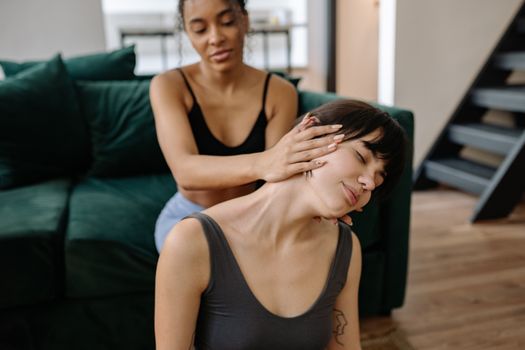
.png) - $1 By working on the muscles of the neck, shoulders, and scalp, massage helps reduce muscle spasms and tension—a primary cause of tension headaches.
- $1 Massage lowers cortisol (the stress hormone) by up to 31%, according to a 2020 study published in the International Journal of Neuroscience. Lower stress means fewer headache triggers.
- $1 Headaches are often linked to restricted blood flow. Massage increases blood circulation, ensuring more oxygen and nutrients reach the brain and surrounding tissues.
- $1 Gentle massage stimulates the parasympathetic nervous system, helping to calm overactive nerve pathways responsible for pain.
- $1 By working on the muscles of the neck, shoulders, and scalp, massage helps reduce muscle spasms and tension—a primary cause of tension headaches.
- $1 Massage lowers cortisol (the stress hormone) by up to 31%, according to a 2020 study published in the International Journal of Neuroscience. Lower stress means fewer headache triggers.
- $1 Headaches are often linked to restricted blood flow. Massage increases blood circulation, ensuring more oxygen and nutrients reach the brain and surrounding tissues.
- $1 Gentle massage stimulates the parasympathetic nervous system, helping to calm overactive nerve pathways responsible for pain.
A 2016 review in the journal Pain Medicine found that regular massage therapy can reduce migraine frequency, intensity, and duration by up to 50%. This evidence supports the integration of massage into both preventive and acute headache relief plans.
Key Massage Techniques for Migraine and Headache Relief
Not all massages are created equal, especially when it comes to targeting headaches. Specific techniques have been shown to offer the most benefit:
- $1 This method targets specific points of intense muscle tension—often found in the neck, shoulders, and upper back—that refer pain to the head. Releasing these points can significantly decrease headache intensity. - $1 This gentle technique focuses on relaxing the fascia, the connective tissue surrounding muscles. It’s especially helpful for stubborn tension headaches that don’t respond to traditional massage. - $1 By using very light touch, therapists release restrictions in the skull and spine, which can improve cerebrospinal fluid flow and reduce migraine triggers. - $1 The most common massage style, Swedish massage uses long, flowing strokes to promote relaxation and improve circulation, lowering both physical and mental stress. - $1 This ancient technique applies pressure to specific points on the body, such as the “LI-4” point between the thumb and forefinger, which has been shown in clinical studies to reduce headache symptoms in 50% of patients.In a randomized controlled trial published in the journal Headache, participants who received weekly massage sessions reported a 34% reduction in headache frequency and a 22% reduction in headache intensity after just four weeks, compared to a control group receiving no massage.
Comparing Massage to Other Headache Treatments
How does massage stack up against other common treatments for migraines and headaches? The table below highlights key differences:
| Treatment | Effectiveness | Side Effects | Cost (per session/usage) | Additional Benefits |
|---|---|---|---|---|
| Massage Therapy | Reduces frequency, intensity, and duration up to 50% | Minimal (mild soreness possible) | $60-$120 | Reduces stress, improves sleep, boosts mood |
| Pain Medications (OTC) | Quick pain relief, effects vary | GI upset, rebound headaches, kidney/liver risks | $5-$20 | Convenient, fast-acting |
| Prescription Migraine Drugs | Effective for severe migraines, but not all patients respond | Nausea, dizziness, cardiovascular risks | $30-$200 | Targeted for migraine prevention or relief |
| Physical Therapy | Improves posture, reduces tension headaches | Minimal | $75-$150 | Long-term postural correction |
| Biofeedback | Reduces migraine frequency by ~45% | None | $50-$150 | Teaches self-regulation skills |
As the data shows, massage therapy offers a holistic approach with minimal side effects, additional health benefits, and moderate costs, making it a compelling option for many headache sufferers.
What to Expect During a Migraine-Focused Massage Session
If you’re considering massage for migraine or headache relief, knowing what to expect can help maximize your results. Here’s how a typical session unfolds:
- $1 Your therapist will ask about your headache history, triggers, and specific pain points. Be honest about any recent injuries or medical conditions. - $1 The therapist will tailor the session to your needs, possibly combining several techniques like trigger point therapy and myofascial release. - $1 Most headache-relief massages last 30 to 60 minutes. Shorter, focused sessions may be recommended for acute pain. - $1 The massage will typically target the neck, shoulders, upper back, scalp, and sometimes the jaw (for tension related to TMJ). - $1 Communication is key. Most therapists use gentle to moderate pressure, especially during a migraine episode when sensitivity is heightened. - $1 You may receive advice on stretches, hydration, or self-massage techniques to extend the benefits.Individuals often report immediate relief, but best results usually come from consistent sessions over several weeks. In one 2019 study, 77% of participants experienced fewer headaches after six weeks of weekly massage.
When Massage Might Not Be the Right Choice
While massage is generally safe, there are instances when it may not be appropriate. People experiencing the following should seek medical advice before scheduling a massage:
- $1 Whiplash, concussions, or other acute injuries may require medical clearance. - $1 Sudden, severe headaches (often called “thunderclap” headaches) should be evaluated by a doctor immediately, as they can signal serious conditions like aneurysms. - $1 Blood clotting disorders, severe osteoporosis, or active infections may be contraindications for massage. - $1 While massage is generally safe, those with complex neurological symptoms should consult a physician first.It’s always wise to consult with your healthcare provider if you’re unsure whether massage is appropriate for your specific situation.
Integrating Massage Into a Comprehensive Migraine Management Plan
Massage therapy works best when combined with other lifestyle and medical interventions. Here are some tips for integrating massage into your headache management strategy:
- $1 Use a journal or app to record headache frequency, duration, triggers, and relief methods. This helps identify patterns and measure progress. - $1 Schedule regular massage sessions—weekly or biweekly—as preventive care, rather than waiting for pain to strike. - $1 Practices like yoga, meditation, and regular exercise can amplify the benefits of massage. - $1 Dehydration and poor posture are common headache triggers. Addressing these factors can boost your results. - $1 Share your massage therapy plan with your doctor or neurologist, especially if you’re on medication or have complex migraines.According to the American Massage Therapy Association, 54% of people who receive massage for pain management experience a significant reduction in symptoms and improve their quality of life.
Final Thoughts: The Emerging Role of Massage in Headache Relief
The evidence supporting massage therapy for migraines and headaches continues to grow. With its ability to address multiple headache triggers—muscle tension, stress, and poor circulation—massage offers a gentle yet powerful tool for both prevention and relief. While it may not replace medical treatments for everyone, it is an accessible, low-risk, and often enjoyable addition to any headache management plan. For those seeking a more holistic, hands-on approach to well-being, massage therapy stands out as a promising option.