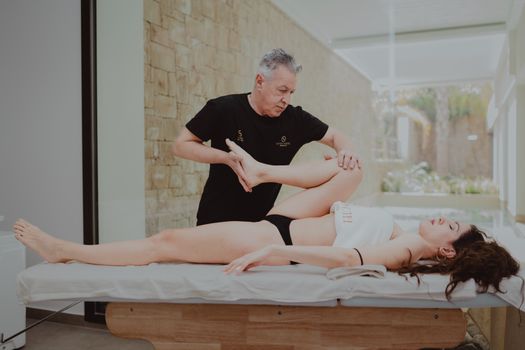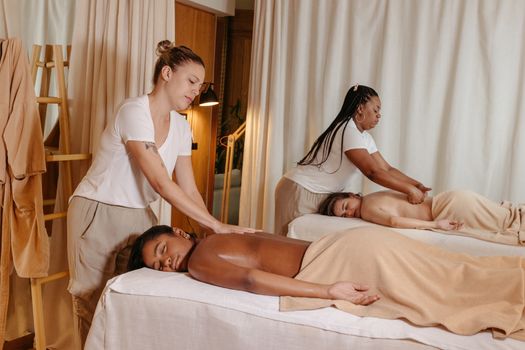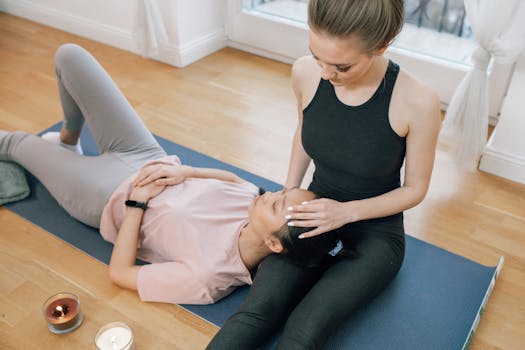
The Benefits of Combining Massage and Yoga for Wellness: A Holistic Approach
Wellness is no longer just a buzzword—it's a lifestyle aspiration for millions seeking to feel their best physically, mentally, and emotionally. In recent years, the ancient practices of massage and yoga have surged in popularity, both praised for their ability to relieve stress, improve flexibility, and boost overall well-being. But what happens when you combine these two time-honored modalities? Emerging trends and studies suggest that integrating massage therapy and yoga offers synergistic benefits, helping individuals achieve a deeper state of holistic health than either practice alone.
This article explores the science, practical advantages, and real-life results of pairing massage and yoga, revealing why this combination is rapidly becoming a cornerstone of modern wellness routines.
The Science Behind Massage and Yoga: Complementary Forces
Both yoga and massage have ancient origins, with yoga dating back over 5,000 years to India and massage traditions appearing in cultures around the world for millennia. While different in approach, both aim to harmonize body and mind.
.png)
Yoga combines physical postures (asanas), breathwork (pranayama), and meditation to improve flexibility, strength, and mental clarity. Massage therapy, on the other hand, uses manual techniques to manipulate muscles, fascia, and connective tissues, alleviating tension and promoting circulation.
A 2020 review published in the International Journal of Yoga found that yoga can decrease cortisol (the stress hormone) levels by up to 31% after just eight weeks. Similarly, massage has been shown in studies, such as a 2022 meta-analysis in the Journal of Clinical Medicine, to reduce anxiety and pain scores by 20-35%.
When practiced together, these modalities amplify each other’s effects:
- Yoga warms and stretches muscles, making massage more effective and less painful. - Massage helps release adhesions and tension, allowing for deeper, more comfortable yoga poses. - Both regulate the autonomic nervous system, shifting the body from “fight or flight” into a restorative “rest and digest” state.Physical Benefits: Flexibility, Recovery, and Injury Prevention
One of the top reasons people turn to wellness practices is to feel better in their bodies—less stiff, more energetic, and free from pain. Here’s how combining massage and yoga delivers on these goals:
1. Enhanced Flexibility Yoga gradually increases flexibility through mindful stretching and movement. However, if muscles are chronically tight or fascia is restricted, progress can plateau. Massage therapy helps break down adhesions and scar tissue, improving muscle pliability. A study published in the Archives of Physical Medicine and Rehabilitation found that regular massage increased hamstring flexibility by 19% over eight weeks. 2. Faster Recovery Both athletes and casual exercisers benefit from massage and yoga post-workout. Yoga’s gentle movements and breathwork help flush out lactic acid, while massage increases blood flow, bringing nutrients to tired muscles. According to the American Massage Therapy Association, massage can reduce delayed onset muscle soreness (DOMS) by 30%. 3. Injury Prevention Yoga improves body awareness, balance, and alignment, helping to avoid overuse injuries. Massage identifies and addresses muscle imbalances before they become problematic. When integrated, these practices create a feedback loop—yoga reveals tight spots, massage resolves them, and both work together to keep the body moving safely.Mental and Emotional Wellness: Beyond Stress Relief
While physical benefits are significant, the impact on mental and emotional health is equally profound. Chronic stress, anxiety, and poor sleep can undermine all aspects of well-being. Massage and yoga are proven antidotes:
- Yoga’s meditative aspects calm the mind, fostering mindfulness and resilience. Studies indicate that regular yoga practice can reduce symptoms of anxiety and depression by 40-55%. - Massage promotes the release of endorphins and serotonin—“feel good” hormones that elevate mood. A 2018 study in the journal Complementary Therapies in Clinical Practice found that massage recipients reported 60% greater improvement in mood than a control group.When combined, these practices create a positive feedback cycle: yoga prepares the mind for deeper relaxation during massage, and massage helps reduce physical discomfort that can distract from meditation or breathwork.
Comparison Table: Massage, Yoga, and Their Combined Benefits
To visualize the unique and overlapping benefits of these two practices, consider the following table:
| Benefit | Yoga | Massage | Combined |
|---|---|---|---|
| Flexibility | Improves through stretching | Increases by reducing adhesions | Maximized flexibility and range of motion |
| Stress Reduction | Lowers cortisol, promotes mindfulness | Releases endorphins, relaxes muscles | Deeper relaxation, improved emotional balance |
| Injury Recovery | Gentle movement aids healing | Promotes circulation, reduces pain | Faster, more complete recovery |
| Sleep Quality | Improves sleep through relaxation | Reduces insomnia and tension | Enhanced sleep onset and duration |
| Body Awareness | Increases mindfulness of movement | Highlights tension areas | Greater self-awareness and injury prevention |
Integrative Practice: How to Combine Massage and Yoga Effectively
You don’t have to be an expert yogi or book weekly spa appointments to experience the combined benefits of these practices. Here are practical strategies to get started:
1. Sequence Matters For most people, practicing yoga before a massage is optimal. Yoga warms up the muscles and increases circulation, allowing the massage therapist to work more efficiently. However, if you’re carrying significant tension or recovering from injury, a massage before yoga can help loosen tight areas for a more comfortable practice. 2. Frequency Counts The ideal schedule depends on your needs and goals, but research shows that consistency is key. For general wellness, aim for at least one yoga session and one massage per week. Many integrative wellness centers now offer combined sessions or “massage-yoga” classes, where gentle stretches are interspersed with hands-on bodywork. 3. Communication is Crucial Let your yoga instructor and massage therapist know about your routines and any areas of concern. This allows them to tailor sessions to your unique needs, maximizing benefits and minimizing risk. 4. At-Home Options If professional massage isn’t accessible, self-massage tools like foam rollers or massage balls can be used before or after yoga. Many online yoga classes now integrate self-massage techniques for a holistic home practice.Real-Life Results: Stories and Statistics
The impact of combining yoga and massage extends beyond the theoretical—it’s changing lives every day. Here are a few real-world outcomes:
- A 2021 survey from the Global Wellness Institute found that 68% of participants who regularly combined yoga and massage reported “significant improvement” in chronic pain and stress management compared to 42% who practiced yoga or massage alone. - Professional athletes such as tennis star Novak Djokovic and NFL player Larry Fitzgerald have publicly credited the combination of yoga and massage for accelerating recovery times and extending their careers. - In a rehabilitation study at the University of Miami, patients recovering from orthopedic surgery who received both yoga therapy and massage had 25% faster return-to-function rates than those receiving only standard physical therapy.These results demonstrate that the synergy of yoga and massage is not just theoretical—it can translate into tangible improvements in quality of life, performance, and resilience.
Holistic Wellness: The Ripple Effect of Integration
The true power of integrating massage and yoga lies in its ripple effect. Improved physical flexibility and reduced pain free up energy for mental focus. Enhanced mood and stress resilience open the door to deeper relationships and greater productivity. Better sleep and body awareness encourage healthier choices in all areas of life.
By combining these practices, you’re not just treating symptoms—you’re cultivating a foundation for lifelong wellness. Whether you’re an athlete, a busy professional, or someone seeking relief from chronic pain or stress, integrating massage and yoga offers a sustainable, enjoyable path to feeling your best.