In today’s fast-paced world, stress is a common companion for many people. According to the American Institute of Stress, over 77% of Americans regularly experience physical symptoms caused by stress, and nearly half say stress has a negative impact on their personal and professional lives. While there are many ways to manage stress, massage therapy remains one of the most effective, natural, and enjoyable options. But with a multitude of massage styles and techniques available, how do you choose the best massage option for stress relief? This guide will help you navigate the world of massage therapies, highlighting the unique benefits, ideal candidates, and considerations for each method.
Understanding Stress and Its Impact on the Body
Before exploring massage options, it’s important to understand how stress affects your body. Chronic stress triggers the release of hormones like cortisol and adrenaline, which can lead to muscle tension, headaches, digestive issues, insomnia, and weakened immunity. According to the American Psychological Association, chronic stress contributes to 60-80% of all visits to primary care doctors. This widespread impact underscores the importance of effective stress relief strategies.
Massage therapy works by engaging the body’s parasympathetic nervous system, reducing muscle tension, lowering heart rate and blood pressure, and promoting a sense of well-being. However, not all massages are created equal when it comes to stress relief. Various techniques target different aspects of stress—some focus on physical tension, others on emotional relaxation, and some offer a blend of both.
.png)
Popular Massage Types for Stress Relief: A Comparative Overview
Let’s compare the most popular massage therapies used for stress relief. Each offers unique features, benefits, and experiences, making it essential to choose one that matches your personal needs and preferences.
| Massage Type | Pressure Level | Main Benefits | Session Length | Best For |
|---|---|---|---|---|
| Swedish Massage | Light to Medium | Relaxation, improved circulation, reduced muscle tension | 60-90 minutes | First-timers, general stress |
| Deep Tissue Massage | Firm to Deep | Muscle pain relief, tension reduction, improved mobility | 60-90 minutes | Chronic tension, athletes |
| Aromatherapy Massage | Light to Medium | Emotional relaxation, mood enhancement | 60 minutes | Stress, anxiety, mood disorders |
| Hot Stone Massage | Light to Medium | Deep muscle relaxation, improved sleep | 75-90 minutes | Insomnia, deep relaxation |
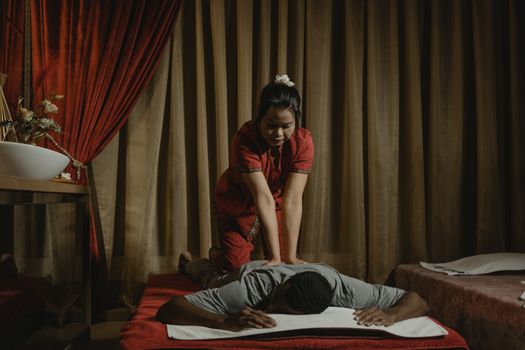
| Shiatsu | Medium | Energy flow balance, tension release | 60 minutes | Fatigue, stress, energy imbalances |
Swedish massage, for example, is the most widely practiced form of massage in the U.S., accounting for over 60% of all massage therapy sessions, according to the American Massage Therapy Association. It’s usually recommended for beginners or anyone seeking general relaxation.
Swedish Massage: The Classic Choice for Calming Nerves
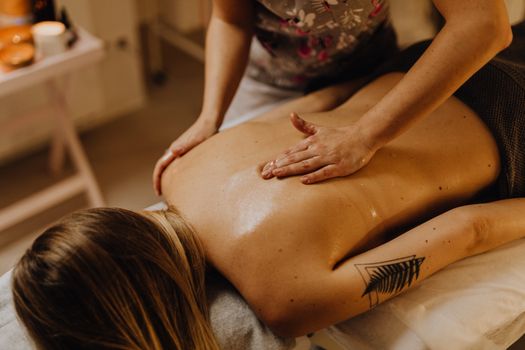
Swedish massage remains a time-tested favorite for stress relief. Using long, gliding strokes, gentle kneading, and rhythmic tapping, this technique aims to relax the entire body. The primary focus is on improving blood circulation, soothing tense muscles, and encouraging the body’s natural relaxation response.
A 2010 study published in the Journal of Alternative and Complementary Medicine found that a single session of Swedish massage significantly reduced cortisol levels (the stress hormone) and boosted levels of serotonin and dopamine—neurotransmitters that stabilize mood and promote relaxation.
Swedish massage is ideal for: - First-time massage clients - Individuals experiencing mild to moderate stress - Those sensitive to deeper, more intense pressureSessions typically last 60–90 minutes, and many people report feeling lighter, more peaceful, and rejuvenated afterward. If your primary goal is to unwind and reset, Swedish massage is an excellent starting point.
Deep Tissue Massage: For Persistent Physical Tension
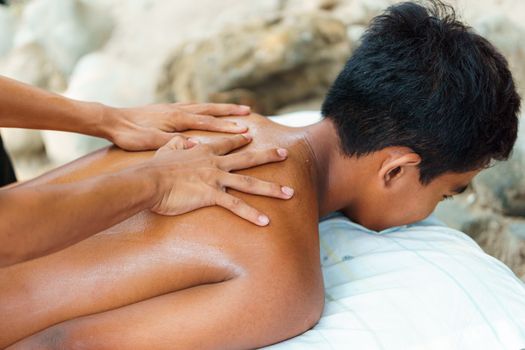
If your stress manifests as persistent muscle knots, stiffness, or chronic pain, deep tissue massage may be the best option. This technique uses slow, firm strokes and deep finger pressure to target the inner layers of muscles and connective tissues.
According to a 2014 review in the Journal of Clinical Psychiatry, deep tissue massage not only reduces stress and anxiety but also helps alleviate symptoms of depression. It’s particularly beneficial for those who experience stress-related tension in the neck, shoulders, or lower back.
Deep tissue massage is best for: - Individuals with chronic muscle pain or tension - Those accustomed to regular massage therapy - Athletes or people with physically demanding lifestylesWhile this massage can be intense, effective communication with your therapist ensures the pressure remains within your comfort zone. After a deep tissue massage, it’s common to feel sore for a day or two, followed by noticeable relief.
Aromatherapy Massage: Harnessing the Power of Scent
For those whose stress is closely linked to emotional or mental fatigue, aromatherapy massage offers an added dimension of relief. This technique combines gentle massage with essential oils such as lavender, chamomile, or bergamot, each carefully selected for their calming properties.
A 2017 clinical trial published in the journal Evidence-Based Complementary and Alternative Medicine found that aromatherapy massage significantly lowered anxiety scores in adults compared to massage without essential oils. The sense of smell is closely tied to the brain’s emotional center, helping trigger feelings of calm and well-being.
Aromatherapy massage is a good fit for: - People experiencing emotional stress, anxiety, or mood swings - Those seeking a multisensory relaxation experience - Anyone interested in natural mood enhancementWhile typically performed at a lighter pressure, some therapists can adapt the technique to your preference. Sessions usually last around 60 minutes, leaving clients feeling both physically and emotionally balanced.
Hot Stone and Shiatsu: Specialized Approaches for Deeper Release
Hot stone massage and Shiatsu represent two distinct approaches, both effective for stress relief but with unique mechanisms.
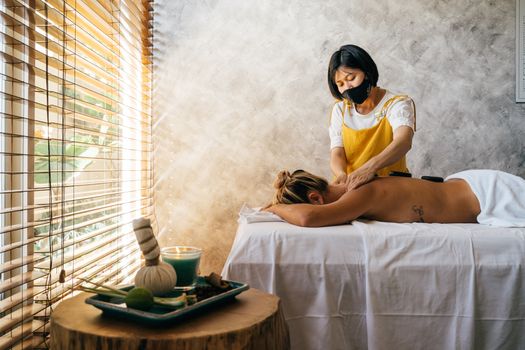
Hot Stone Massage involves placing heated basalt stones on key points of the body and using them to massage tense areas. The heat penetrates deeply, relaxing muscles and improving blood flow. According to a 2018 survey by the International Spa Association, 72% of clients reported improved sleep and reduced stress after hot stone therapy.
Shiatsu, a Japanese technique, uses finger and palm pressure along the body’s energy pathways, or meridians. The goal is to balance energy flow (Qi) and address both physical and emotional imbalances. A 2013 study in the Journal of Holistic Nursing found that regular Shiatsu sessions reduced perceived stress by 35% in participants over a three-month period.
These methods are ideal for: - People who have difficulty relaxing through regular massage - Individuals interested in traditional or Eastern wellness approaches - Those seeking alternative ways to release deep-seated stressBoth therapies generally require a 60–90 minute session for full effect, and it’s crucial to seek qualified practitioners with experience in these specialties.
Matching Massage Options to Your Unique Stress Profile
Choosing the best massage for stress relief depends on understanding how stress affects you personally. Consider these factors when making your decision:
1. Physical vs. Emotional Stress: Are your symptoms more physical (muscle tension, headaches) or emotional (anxiety, irritability)? 2. Sensitivity to Touch: Do you prefer gentle, soothing touch or firm, targeted pressure? 3. Experience Level: Are you new to massage or a seasoned client? 4. Special Health Conditions: Do you have any medical conditions (e.g., fibromyalgia, pregnancy) that might affect your choice?For example, if you experience frequent headaches and neck stiffness from long hours at the computer, a deep tissue or hot stone massage may provide the targeted relief you need. If you struggle with general anxiety, insomnia, or mood swings, aromatherapy or Swedish massage might be more suitable.
It can also be helpful to speak with a licensed massage therapist before booking. They can assess your individual needs and recommend the best modality or even blend techniques for a fully personalized experience.
Final Thoughts on Selecting the Right Massage for Stress Relief
Massage therapy is more than just a luxury—it’s a powerful tool for managing the widespread effects of stress on both body and mind. With options ranging from Swedish and deep tissue to aromatherapy, hot stone, and Shiatsu, there’s a massage style to match every stress profile and personal preference. According to the American Massage Therapy Association, 75% of people who receive regular massages report a significant reduction in stress and an improved sense of well-being.
The key is to assess your individual needs, communicate openly with your therapist, and remain open to trying new methods. Whether you’re seeking deep physical release or a gentle emotional reset, the right massage can provide lasting relief and a renewed sense of balance.