Comparing Spa Treatments: Massages vs. Facials — Which Delivers the Best Results?
In today’s fast-paced world, everyone deserves a little pampering. When you think of a luxurious spa day, two treatments often top the list: massages and facials. While both offer relaxation and rejuvenation, they serve different purposes, target different concerns, and deliver unique benefits. If you’re debating which spa treatment to choose—or wondering how they compare—this guide breaks down the key differences, benefits, and considerations between massages and facials. By the end, you’ll have the knowledge to make the right choice for your wellness goals.
The Core Benefits: Massage vs. Facial at a Glance
Both massages and facials have earned their place as popular spa treatments, but they cater to different needs.
.png)
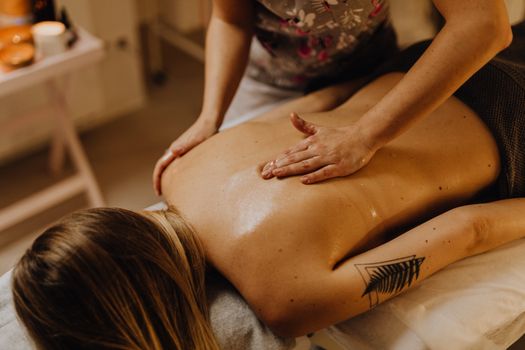
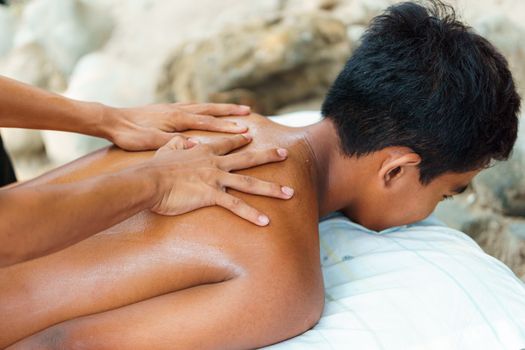
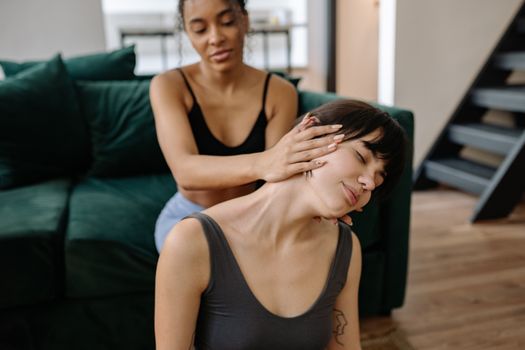
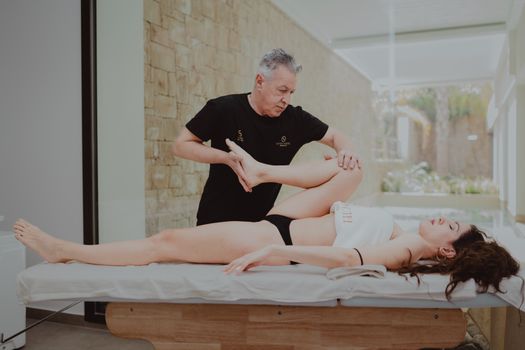
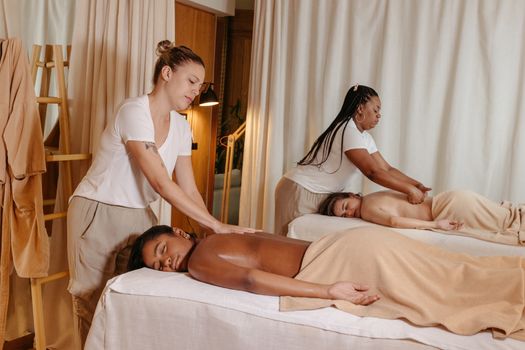
Massages focus on manipulating the body’s soft tissues to alleviate tension, relieve pain, and promote relaxation. According to the American Massage Therapy Association, over 47.5 million Americans received a massage in 2018, citing reasons ranging from stress relief to medical conditions like chronic pain.
Facials, on the other hand, are dedicated to skin health and beauty. They involve cleansing, exfoliating, and nourishing the skin, often with specialized masks, serums, or treatments. The global facial treatment market was valued at $8.6 billion USD in 2022, reflecting the high demand for skincare and anti-aging solutions.
Let’s look at a direct comparison to highlight their core differences:
| Aspect | Massage | Facial |
|---|---|---|
| Main Focus | Muscle tension, relaxation, pain relief | Skin cleansing, exfoliation, rejuvenation |
| Duration | 30-90 minutes (most common: 60 minutes) | 45-75 minutes (most common: 60 minutes) |
| Average Cost (USA) | $60-$120 per session | $75-$150 per session |
| Frequency Recommended | Monthly or as needed | Every 4-6 weeks |
| Primary Benefits | Reduces stress, improves circulation, eases pain | Improves complexion, targets acne/aging, hydrates skin |
| Immediate Results | Relaxation, reduced pain/tension | Brighter, clearer skin |
Understanding Massage Treatments: Beyond Relaxation
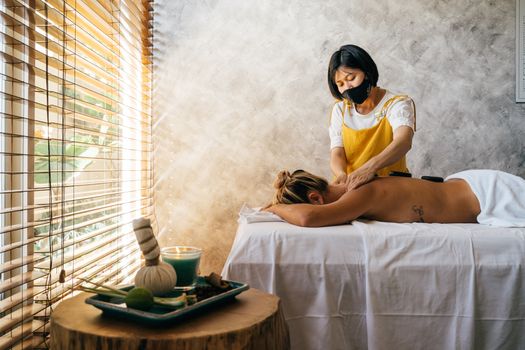
A massage is far more than a luxury—it’s a well-researched practice with both physical and mental health benefits. There are dozens of massage modalities, ranging from gentle Swedish massage to deep tissue, hot stone, and even sports massage. Each technique serves a unique purpose, but all share the goal of improving well-being.
Key benefits of massage therapy include: - $1: Studies show that massage can reduce muscle stiffness and soreness by up to 30% after just one session. - $1: The American Psychological Association reports that regular massages can lower cortisol (the stress hormone) and boost serotonin and dopamine. - $1: According to a 2016 meta-analysis, massage therapy was effective in reducing chronic low back pain, with 50% of participants reporting significant relief. - $1: Massage increases blood flow, which helps deliver oxygen and nutrients to tissues, promoting healing and reducing inflammation.Massage is also widely used for specific conditions such as migraines, fibromyalgia, sports injuries, and even post-surgical recovery. It offers a holistic approach, addressing not only the body but also the mind—many clients report an immediate sense of calm and well-being after a session.
The Science and Sensation of Facials
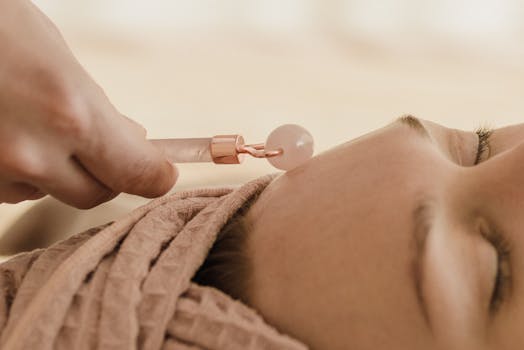
Facials are tailored skin treatments designed to cleanse, renew, and protect the skin. They are typically performed by licensed estheticians who assess your skin’s needs and customize each step, from exfoliation to mask application.
Here’s what a typical facial may include: - $1: Removes dirt, oil, and makeup. - $1: Sloughs away dead skin cells, often using enzymes, acids, or microdermabrasion. - $1: Removes blackheads and unclogs pores (optional). - $1: Applies a treatment mask suited for your skin type (hydrating, purifying, calming). - $1: Replenishes moisture and shields skin from UV rays. Why do people love facials? - $1: After a facial, 89% of clients report visibly brighter and smoother skin. - $1: Facials can address acne, fine lines, hyperpigmentation, and dehydration. - $1: Many facials use peptides, retinol, or antioxidants to stimulate collagen and reduce signs of aging. - $1: The process itself is soothing, often including gentle massage of the face, neck, and shoulders.Facials also offer long-term benefits. Regular treatments can help manage chronic skin conditions (like rosacea or acne), and professional-grade products penetrate deeper than at-home care.
Who Should Choose a Massage?
If you’re struggling with physical discomfort, chronic stress, or simply want to escape for an hour, a massage may be your best bet. Here’s when massage makes the most sense:
- $1: Desk jobs, athletic activities, or even everyday stress can lead to knots and soreness. - $1: If you feel overwhelmed by work or life, massage offers proven relaxation and mood-boosting benefits. - $1: Post-exercise soreness or injury rehab can be aided by specific massage techniques that increase flexibility and reduce scar tissue. - $1: Clinical studies show that massage can reduce the frequency and severity of tension headaches.Massage is generally safe for most people, but those with certain medical conditions (like blood clots, severe osteoporosis, or infectious skin diseases) should consult a physician first.
Who Should Opt for a Facial?
Facials are ideal for anyone looking to improve their skin’s health, address specific concerns, or simply enjoy a pampering session. You might choose a facial if:
- $1: Whether it’s acne, dryness, sensitivity, or sun damage, facials can be tailored to treat your skin’s unique needs. - $1: Many facial treatments provide immediate improvements in texture, tone, and radiance. - $1: Regular facials can slow the signs of aging and keep your skin resilient against environmental stressors. - $1: Facials are popular before weddings, photoshoots, or big events due to the instant glow they provide.While facials are safe for most, those with certain skin conditions (like active eczema, severe sunburn, or open wounds) should discuss options with their esthetician.
Combining Massages and Facials: The Ultimate Spa Experience
Why choose just one? Many spas offer combination packages, allowing you to enjoy both treatments in a single visit. In fact, a 2021 survey by the International Spa Association found that nearly 40% of spa-goers opt for combo treatments to maximize relaxation and results.
Combining a massage and facial has several advantages: - $1: Address both your body’s physical needs and your skin’s health in one session. - $1: Save time by scheduling both treatments in a single spa visit. - $1: The calming effects of massage carry over into your facial, amplifying your sense of well-being.Typical combo sessions last 90 to 150 minutes and may cost 10-20% less than booking both treatments separately. If you’re celebrating a special occasion or want to treat yourself, this is the ultimate indulgence.
Making the Right Choice for Your Needs
When deciding between a massage and a facial, consider your primary goals. Are you seeking relief from physical discomfort, or do you want to address skin concerns and boost your complexion? Here’s a quick summary to guide your decision:
- $1: You need muscle relief, stress reduction, or help with pain management. - $1: You want glowing skin, targeted skincare solutions, or anti-aging benefits. - $1: You crave whole-body relaxation and a complete self-care experience.Remember, there’s no wrong choice—both treatments offer substantial benefits and can be enjoyed individually or together. With the global spa and wellness market projected to reach $150.5 billion by 2025, it’s clear that investing in self-care is more than a trend—it's a lifestyle.