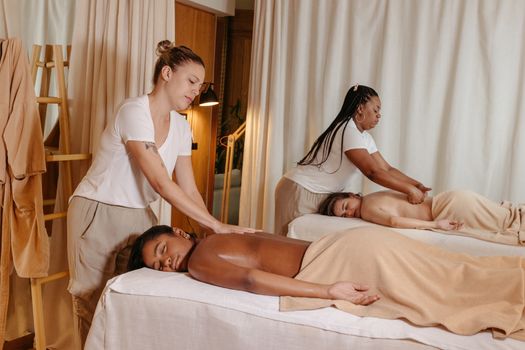
Swedish vs. Deep Tissue Massage: What's the Difference?
Massage therapy has become an essential part of modern wellness routines, with millions seeking its benefits for both mind and body. Among the many massage modalities, Swedish and deep tissue massages stand out as two of the most requested and widely practiced techniques. But despite their popularity, many people are unsure about what sets these two massage styles apart—or which one best suits their needs.
Whether you’re hoping to unwind after a stressful week, recover from muscular soreness, or address chronic pain, understanding the difference between Swedish and deep tissue massage is key to maximizing your results. In this in-depth guide, we'll demystify each approach, explore their techniques and benefits, and help you confidently choose the right massage for your wellness goals.
Understanding Swedish Massage: The Foundation of Relaxation
Swedish massage is often described as the classic or traditional Western massage technique. Developed in the 19th century by Swedish physiologist Per Henrik Ling, this method forms the basis for most modern Western massage training.
.png)
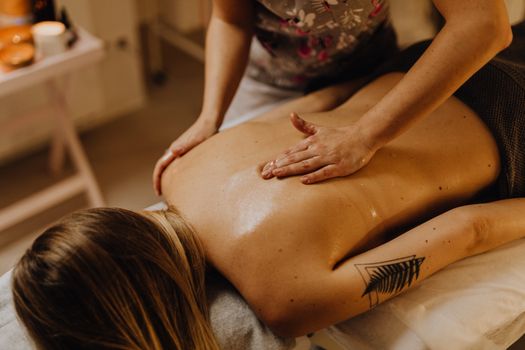
The main aim of Swedish massage is relaxation and overall well-being. It uses a combination of long, gliding strokes (effleurage), kneading (petrissage), rhythmic tapping (tapotement), friction, and gentle stretching. The therapist typically works with light to moderate pressure, focusing on the superficial muscles and connective tissues.
Key facts about Swedish massage: - The American Massage Therapy Association (AMTA) reports that Swedish massage is the most commonly offered technique in the United States. - Sessions usually last 60-90 minutes and cover the entire body. - A 2018 study published in the Journal of Clinical Medicine found that Swedish massage reduced anxiety by 30% in participants after just one session.Swedish massage is ideal for people who are new to massage, sensitive to deep pressure, or looking for a way to de-stress and improve circulation. The technique increases blood flow, stimulates lymphatic drainage, and often contributes to improved sleep quality.
Exploring Deep Tissue Massage: The Power of Targeted Pressure
While Swedish massage focuses on general relaxation, deep tissue massage is designed to address deeper layers of muscle and connective tissue. This technique is particularly effective for chronic aches and pains, stiffness, muscle injuries, and postural problems.
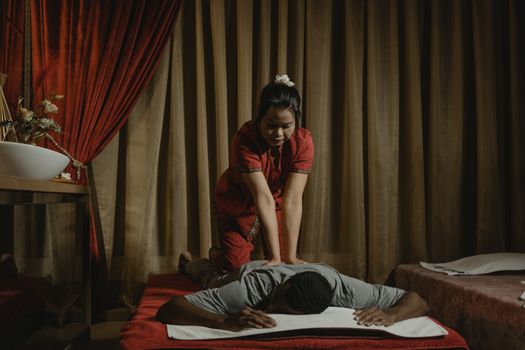
Deep tissue massage employs many of the same movements as Swedish massage, but the pressure is significantly greater and more targeted. Therapists use their fingers, knuckles, elbows, and forearms to apply slow, deliberate strokes and friction techniques. The goal is to break down adhesions (knots) and realign muscle fibers, which can help alleviate pain and restore mobility.
Key facts about deep tissue massage: - According to the American Massage Therapy Association, deep tissue massage is the second most popular style in the U.S., requested by 38% of all massage clients. - A 2014 meta-analysis in PLOS ONE found that deep tissue massage provided significant pain relief for patients with chronic back pain, outperforming standard medical care. - Sessions tend to focus on specific problem areas rather than the whole body, and may last 30-90 minutes.Deep tissue massage is best suited for individuals with chronic muscle tension, athletes, those with repetitive strain injuries, or anyone seeking relief from ongoing pain and stiffness.
Comparing Techniques, Pressure, and Outcomes
At first glance, Swedish and deep tissue massages might appear similar—after all, both can use oil, target muscles, and involve hands-on manipulation. However, the distinctions become clear when you examine their techniques, pressure levels, and intended outcomes.
Below is a comparative overview:
| Feature | Swedish Massage | Deep Tissue Massage |
|---|---|---|
| Main Purpose | Relaxation, stress relief, improved circulation | Pain relief, muscle rehabilitation, breaking up adhesions |
| Pressure Level | Light to moderate | Moderate to deep, intense |
| Techniques Used | Effleurage, petrissage, tapotement, friction, vibration | Slow strokes, deep finger/elbow pressure, friction, stripping |
| Areas Treated | Whole body | Specific problem areas |
| Common Recipients | First-time clients, those seeking relaxation | Individuals with chronic pain, athletes, injury recovery |
| Typical Session Length | 60-90 minutes | 30-90 minutes |
| Potential Aftereffects | Mild soreness (rare), deep relaxation | Moderate soreness, possible bruising, “good pain” sensation |
Swedish massage is characterized by its gentle nature and whole-body approach, while deep tissue massage is more intense, focusing on resolving specific muscular issues.
Who Should Choose Swedish Massage?
While both techniques offer benefits, Swedish massage is best suited for:
- Individuals new to massage therapy: Its gentle approach makes it a perfect introduction. - Those seeking stress relief: Swedish massage is proven to reduce cortisol (the stress hormone) and increase serotonin levels, leading to a mood boost. - People with sensitivity to pressure: If deep, intense touch is uncomfortable, Swedish massage is a better fit. - Anyone wanting to improve general wellness: With its focus on relaxation and circulation, Swedish massage supports immune function and overall health.Example: A study in the International Journal of Neuroscience showed that a single session of Swedish massage increased levels of oxytocin (the “love hormone”) by 27%, fostering emotional well-being.
Swedish massage is also a great choice for elderly clients, pregnant women (with modifications), or those recovering from illness who may require a more soothing, nurturing touch.
Who Should Opt for Deep Tissue Massage?
Deep tissue massage is the modality of choice for clients with:
- Chronic pain conditions: Such as lower back pain (affecting 80% of adults at some point), neck stiffness, or shoulder tension. - Muscular injuries: Including sports injuries, carpal tunnel syndrome, or repetitive strain injuries. - Postural issues: Resulting from desk work, driving, or long periods of sedentary activity. - Athletes: Both professional and recreational, looking for faster recovery and injury prevention.Research highlights: A 2010 study in the Journal of Alternative and Complementary Medicine found that deep tissue massage reduced blood pressure by an average of 7.2 mm Hg systolic and 4.3 mm Hg diastolic after a single session.
However, deep tissue massage is not for everyone. It can cause temporary soreness, and those with certain medical conditions—such as osteoporosis, blood clotting disorders, or recent surgery—should consult a healthcare provider before booking a session.
Side Effects, Safety, and Aftercare: What to Expect
Regardless of the type of massage you choose, understanding the potential side effects and aftercare recommendations can help you have a safe and satisfying experience.
Swedish massage is generally considered very safe. Mild drowsiness or temporary light-headedness is possible, and it’s important to hydrate afterward to support lymphatic drainage.
Deep tissue massage, due to its intensity, may cause: - Moderate muscle soreness lasting 1-3 days (similar to post-workout soreness) - Occasional bruising, especially in areas with tight adhesions - Fatigue or mild headache (rare) To minimize discomfort: - Drink plenty of water post-session. - Apply ice or a gentle heating pad to sore areas. - Avoid strenuous activity for a few hours after your massage.Both massage types are generally safe for most people, but always inform your therapist of any medical conditions, injuries, or allergies. Certain contraindications—like acute infections, unhealed fractures, or skin disorders—may require postponing or modifying your massage.
Making Your Choice: Swedish or Deep Tissue Massage?
Ultimately, the decision between Swedish and deep tissue massage depends on your individual needs, preferences, and health goals.
Choose Swedish massage if you: - Want deep relaxation and stress relief - Prefer a gentler touch - Are looking for a full-body experience Opt for deep tissue massage if you: - Need targeted relief for chronic pain or injury - Can tolerate deeper, sometimes intense, pressure - Want to address stubborn muscle knots or postural issuesIt’s worth noting that many therapists are trained in both modalities and can tailor your session to blend elements of each, depending on your comfort level and objectives. Don’t hesitate to communicate openly with your therapist before and during your session for the best possible results.