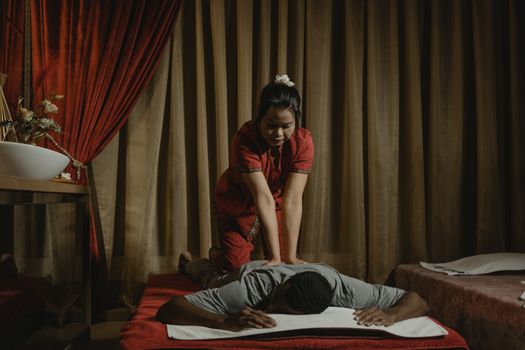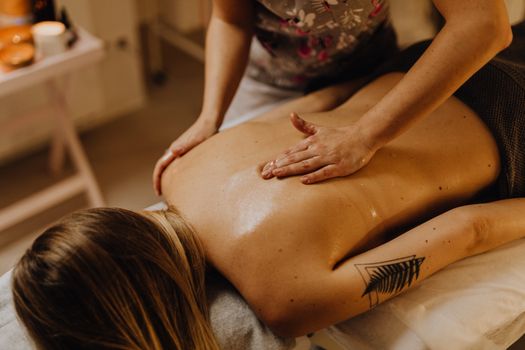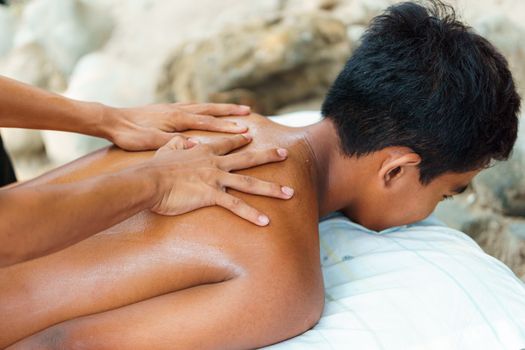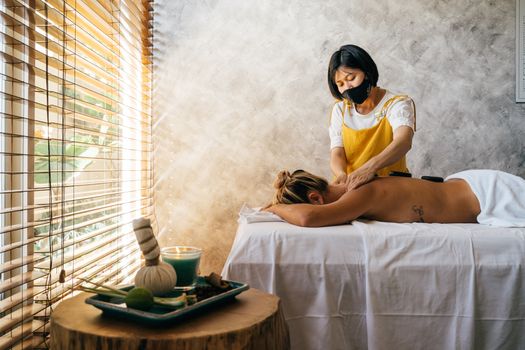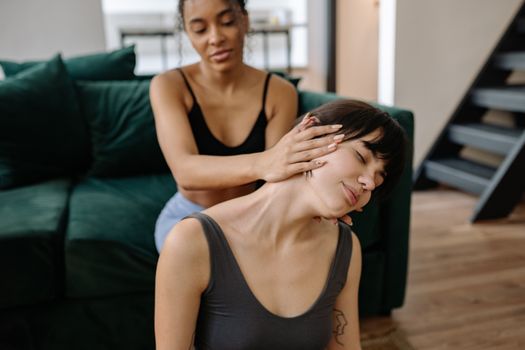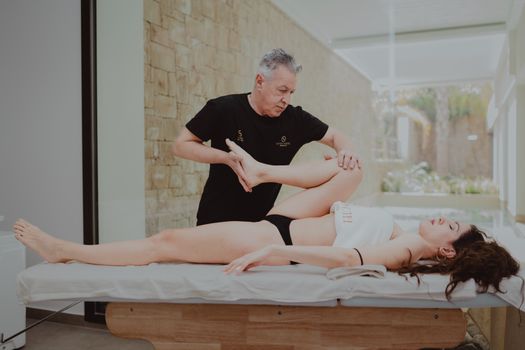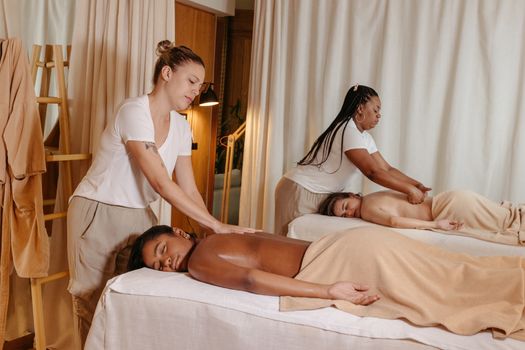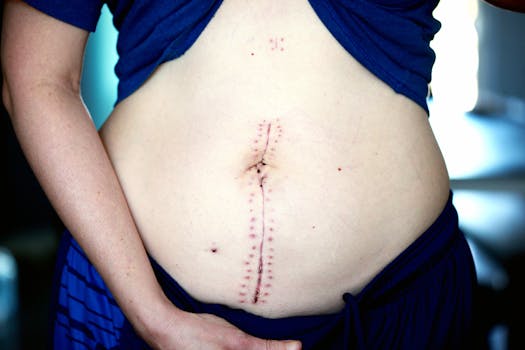
Recovering from surgery is a journey that demands patience, care, and the right rehabilitation strategies. While traditional post-surgical protocols—like rest, medication, and physical therapy—are well known, there’s growing interest in complementary therapies that may accelerate the healing process. Among these, massage therapy stands out, not just for its relaxing qualities, but for its potential to significantly impact recovery outcomes. But what exactly can massages do for you after surgery, and what does the latest research say about safety, timing, and techniques? Here’s what you should know about massages and their impact on recovery after surgery.
The Science Behind Massage Therapy and Post-Surgical Recovery
Massage therapy involves the systematic manipulation of the body’s soft tissues to promote relaxation, relieve pain, and improve circulation. Its benefits are well established in general wellness, but its role in surgical recovery is attracting increasing scientific attention. According to a 2021 meta-analysis published in the journal $1, patients who received postoperative massage therapy reported a 27% reduction in pain scores compared to those who did not. Additionally, massage has been shown to decrease anxiety and stress—two common post-surgical complications that can impede healing.
Physiologically, massage can stimulate lymphatic drainage, which helps reduce swelling (edema) and accelerates the removal of metabolic waste products from tissues. Enhanced blood flow from massage may also promote the delivery of oxygen and nutrients to the surgical site, supporting tissue repair and regeneration. This is particularly significant for patients who have undergone orthopedic, abdominal, or cosmetic procedures, where tissue healing is crucial.
.png)
Types of Massage Used in Post-Surgical Care
Not all massages are created equal, especially when it comes to post-surgical recovery. The choice of technique depends on the type of surgery, the area affected, and the stage of healing. Here are some of the most common massage types used after surgery:
- $1 This gentle, rhythmic technique is designed to stimulate the lymphatic system and reduce swelling. MLD is especially popular after cosmetic surgeries such as liposuction, tummy tucks, and facelifts, where fluid buildup is common. - $1 Known for its light to moderate pressure, Swedish massage can help relax the body, reduce pain, and improve circulation without putting undue stress on healing tissues. - $1 Once surgical wounds have closed, specific massage techniques can be used to prevent or break down adhesions and thickened scar tissue, improving mobility and appearance. - $1 This technique targets the fascia, the connective tissue surrounding muscles and organs, to relieve tension and restore movement—particularly helpful after orthopedic surgeries. - $1 Generally reserved for later stages of recovery, deep tissue techniques can address chronic muscle tightness and compensatory patterns that develop after surgery.Each modality must be tailored to the individual’s needs, and timing is crucial. For instance, MLD is often recommended within days of surgery, while scar tissue massage may only be appropriate weeks or months later.
Comparing Massage Benefits for Different Types of Surgery
Massage therapy’s impact can vary widely depending on the type of surgery performed. Some procedures benefit more from certain massage approaches than others. The following table summarizes the typical benefits and considerations for massage after common surgeries:
| Type of Surgery | Recommended Massage Type | Key Benefits | Timing After Surgery |
|---|---|---|---|
| Cosmetic Surgery (e.g., liposuction, facelifts) | Manual Lymphatic Drainage | Reduces swelling, minimizes bruising, enhances contour | 1-7 days post-op (with surgeon approval) |
| Orthopedic Surgery (e.g., knee or hip replacement) | Myofascial Release, Swedish, Scar Massage | Improves mobility, reduces pain, manages scar tissue | 2-6 weeks post-op (as healing allows) |
| Abdominal Surgery | Gentle Swedish, Scar Tissue Massage | Reduces discomfort, prevents adhesions | 2-4 weeks post-op (after wound closure) |
| Cardiac Surgery | Gentle Swedish, Relaxation Techniques | Reduces anxiety, improves sleep, supports circulation | 2-6 weeks post-op (with medical clearance) |
It’s important to note that all massage interventions should be performed by therapists with experience in post-surgical care, and only after consulting with your healthcare team.
Safety Considerations and Contraindications
While massage can be a powerful adjunct to surgical recovery, it isn’t suitable for everyone or for every stage of healing. Safety is paramount, and there are certain situations where massage should be avoided or modified.
- $1 Massage should never be performed over areas with open incisions, stitches, or signs of infection (redness, pus, fever). Doing so can increase the risk of complications. - $1 Patients with a known or suspected blood clot should avoid massage, as manipulation could potentially dislodge the clot and lead to serious consequences. - $1 Especially in the elderly or those with certain chronic illnesses, tissues may be more susceptible to bruising or damage and require extra caution. - $1 Special attention is needed for patients with drains, catheters, or surgical hardware. Massage should not interfere with these devices. - $1 Early post-operative massage is usually limited to very gentle techniques, if allowed at all. Always follow your surgeon’s recommendations regarding when to begin massage therapy.A 2019 survey of physical therapists and massage practitioners found that 78% considered communication with the surgical team essential before starting any manual therapy post-surgery. This collaborative approach ensures that massage supports recovery rather than compromising it.
Psychological and Emotional Benefits of Post-Surgical Massage
Surgery doesn’t just take a physical toll—it can also affect mental health. Anxiety, depression, sleep disturbances, and even post-traumatic stress symptoms are not uncommon following major surgical procedures. Massage therapy can play a valuable role in addressing these challenges.
A randomized controlled trial published in the $1 (2018) reported that patients who received massage after abdominal surgery experienced a 32% reduction in anxiety scores and a 21% improvement in reported sleep quality compared to those receiving standard care. The gentle touch and calming environment of a massage session can trigger the release of endorphins and oxytocin, hormones associated with feelings of well-being and relaxation.
These psychological benefits are not just “nice extras”—they can have a direct impact on outcomes. Lower stress and better sleep have been linked to faster tissue healing and reduced risk of complications. For many patients, a post-surgical massage becomes an important part of regaining a sense of control, comfort, and optimism about the healing process.
Integrating Massage Into Your Post-Surgical Recovery Plan
If you’re considering massage therapy as part of your postoperative care, here are some practical steps to ensure you get the most benefit:
1. $1 Always discuss your interest in massage with your surgical team. They can advise on when it’s safe to start and any specific precautions. 2. $1 Look for therapists with experience in post-surgical rehabilitation. Certification in medical massage or lymphatic drainage is a plus. 3. $1 Provide detailed information about your procedure, recovery progress, and any current symptoms. This helps the therapist tailor the session to your needs. 4. $1 Begin with gentle techniques and short sessions. Increase intensity only as your body tolerates and your healthcare team permits. 5. $1 Watch for any signs of increased pain, swelling, or unusual symptoms after massage. If these occur, contact your healthcare provider promptly. 6. $1 Massage works best as part of a comprehensive recovery plan that may include physical therapy, proper nutrition, and medical follow-up.A 2022 survey from the American Massage Therapy Association found that 54% of patients who integrated massage into their recovery plan reported a faster return to daily activities versus those who did not use massage.
Key Takeaways on Massages and Recovery After Surgery
Massage therapy offers a promising, evidence-based adjunct to traditional post-surgical recovery methods. Its benefits extend beyond simple relaxation—patients can experience reduced pain, less swelling, improved mobility, and a boost in emotional well-being. However, timing, technique, and communication with your healthcare team are critical to ensure safety and effectiveness.
With the right approach, massage can be a valuable ally on your journey back to health. Whether you’re recovering from a cosmetic procedure, an orthopedic operation, or a major abdominal surgery, considering massage as part of your recovery plan may help you heal faster and feel better—inside and out.